Article: How to Use an Aker Fassi Clay Pot
How to Use an Aker Fassi Clay Pot
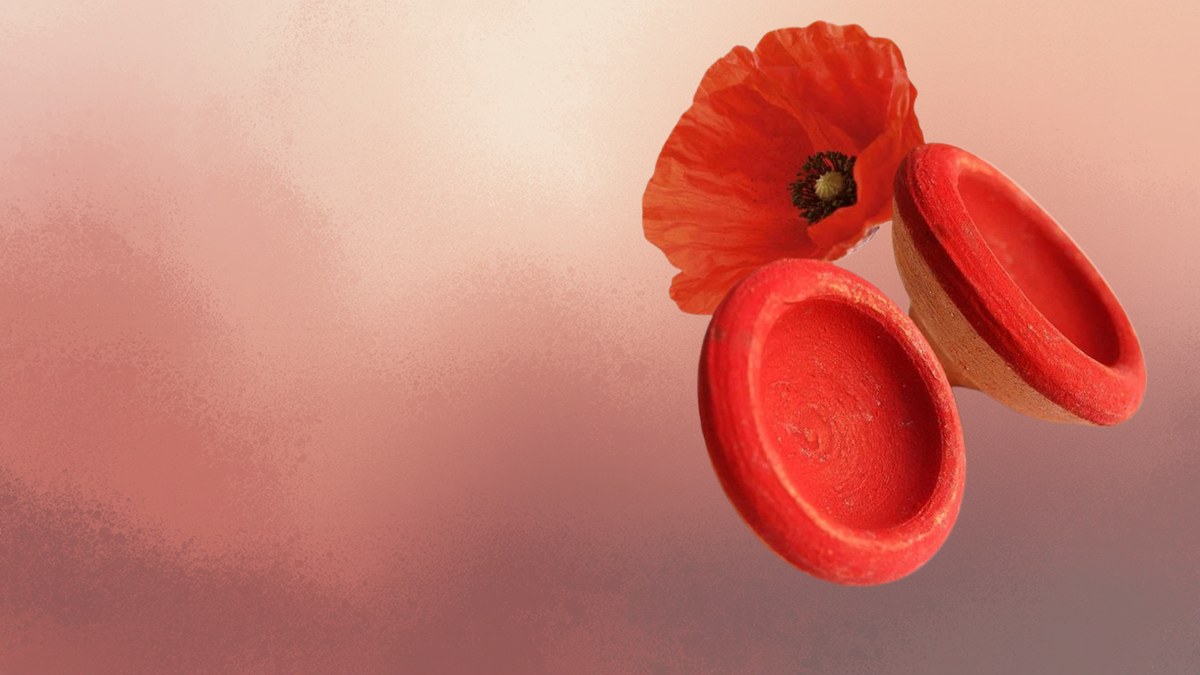
Aker fassi is one of the oldest cosmetics still in everyday use in Morocco. It is sold as a small unglazed terracotta pot — usually a couple of inches across — with a dark red layer baked onto the inside. The pigment is traditionally made from dried poppy petals, often with pomegranate peel, and the pot is both the container and the applicator.
It is used as a lip and cheek tint. The colour looks alarming in the pot and comes out far softer on skin, which is the part that surprises most people the first time.
How to use it
- Wet the surface. Dampen a fingertip, a brush or a cotton bud with a little water and rub it against the red lining inside the pot. Rose water works too and is what many people use.
- Work it into a stain. Keep rubbing for a few seconds. The pigment lifts slowly — you are looking for a red stain on your finger, not a thick paste.
- Apply thinly, then build. Press it onto lips or the apples of the cheeks and blend outwards. It develops as it dries, so put on less than you think you need and add a second layer once the first has set.
- Let it set. Give it a minute before blotting. Rushing it lifts the colour straight back off.
Getting colour out of a brand-new pot
A new pot often gives almost nothing on the first attempt, and people assume it is faulty. It usually is not. The surface layer is dry and compacted, and needs a little more water and a firmer, longer rub than a pot that has been in use. Give it thirty seconds of steady work rather than a quick dab.
If it still refuses to release colour, leave a few drops of water sitting in the pot for a minute to soften the surface, then try again.
What the colour actually looks like
The shade shifts depending on how much water you use and on your own skin. A light application reads as a natural flush; a built-up one is a deep berry red. It is not a predictable, uniform colour the way a manufactured lipstick is — that variability is a property of a plant pigment on a porous clay surface.
When the pot dries out or breaks
The pigment layer does not really expire, but it can become hard to lift after long storage. Softening it with water, as above, brings it back.
If the pot cracks or breaks — terracotta is brittle and a drop onto a hard floor usually ends it — the pigment itself is still usable. Scrape the dried red layer off the broken pieces, crush it to a powder, and keep it in a small clean jar or tin. Use it the same way: wet a brush, pick up a little powder, apply. Some people prefer it in this form because it is easier to control the amount.
Care and storage
- Keep it dry between uses. Put the lid back on and let any moisture evaporate rather than sealing water in.
- Store at room temperature and out of direct sunlight.
- Do not soak the whole pot. Water in small amounts on the surface is the point; submerging it will not speed anything up.
A note on sensitivity
Aker fassi is a traditional preparation, not a regulated cosmetic formulation, and the exact composition varies between makers. If you have sensitive skin or a known allergy, patch-test a small amount on the inside of your wrist and leave it for a day before putting it on your lips or face. Keep it away from the eye area.
Related
If you are building a Moroccan skincare routine around it, our cold-pressed argan oil and argan oil lip balm are the two things most often used alongside it — balm first on dry lips, tint on top.